How Shikoku's Pilgrimage Heritage Is Being Documented
At Yashima-ji, Kagawa's heritage research reveals how temples, ancient paths, historical evidence and living pilgrimage traditions fit into Shikoku's World Heritage ambitions.
HeritageKagawa4 min read
The Shikoku Pilgrimage is best known for its 88 numbered temples, but its cultural significance extends far beyond the buildings themselves. Mountain paths, stone waymarkers, historic records, local hospitality and the continuing practice of pilgrimage all form part of the heritage that Japan's four Shikoku prefectures are seeking to document and protect.
In Kagawa Prefecture, this work has a particularly tangible form: researchers examine the history and condition of individual temples and the routes that connect them, then share their findings with local communities. A research presentation announced at Yashima-ji, Temple 84, for November 2026 offers a concrete example of how this documentation is shared with the public.
What is being researched?
Kagawa Prefecture has investigated the value, physical condition and archaeological evidence of pilgrimage temples and paths since 2008, according to KSB Setonaikai Broadcasting's report. The prefecture also holds research-reporting sessions twice a year to make these findings accessible beyond specialist circles.
The questions are broader than determining a temple's age. How did a sacred site develop over centuries? Which structures and routes have survived, and what changes reveal the ways people travelled and worshipped? How can the significance of an individual precinct be understood as part of an island-wide pilgrimage network?
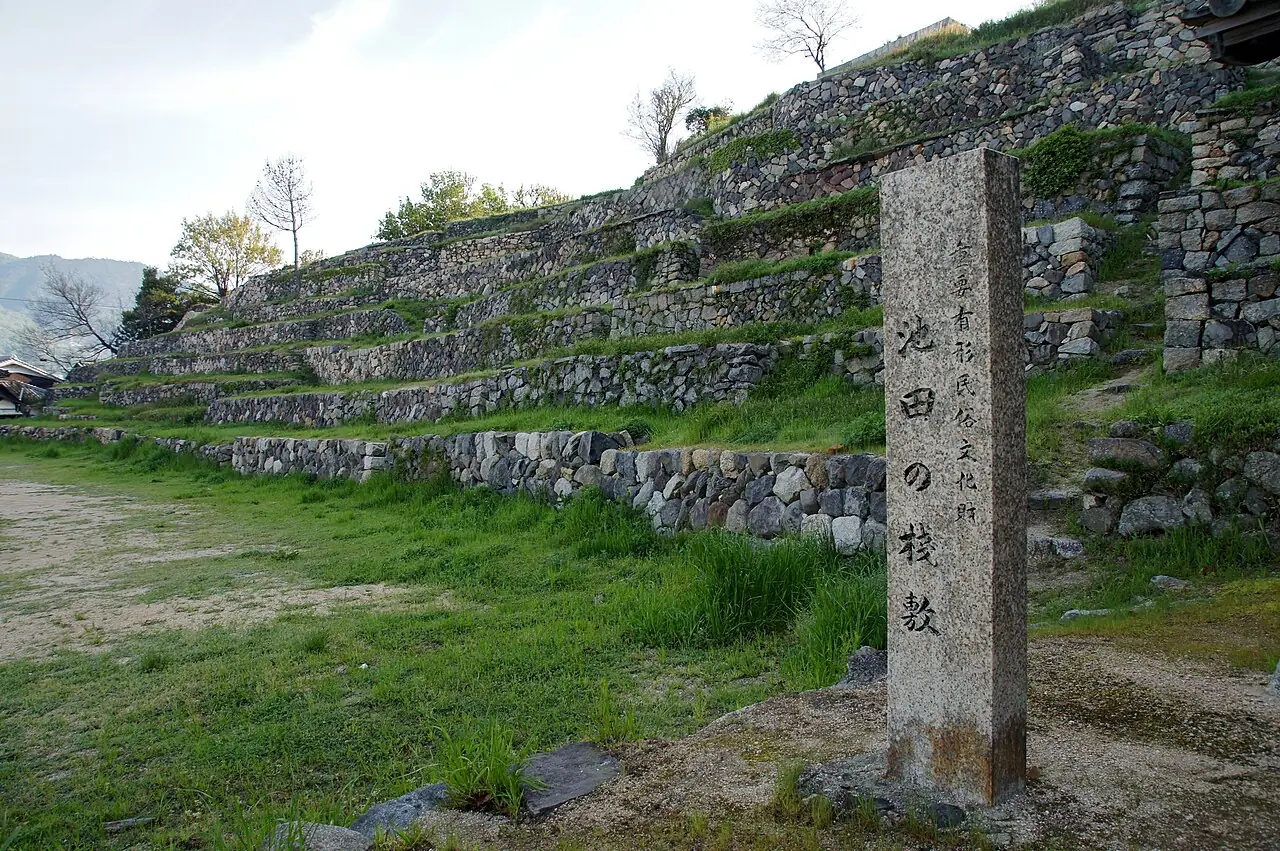
At Yashima-ji in Takamatsu, research into the temple precinct and its historic buildings connects the history of one sacred place to Kagawa's wider World Heritage work. The prefecture's public research programme brings these findings beyond specialist circles, helping visitors appreciate why individual buildings, objects and pilgrimage routes matter as parts of a larger cultural landscape.
Why World Heritage research goes beyond the temples
Shikoku's World Heritage advocates describe the pilgrimage as a living cultural tradition: an enduring relationship among sacred places, people walking or travelling between them, and communities that receive and support pilgrims.
The Shikoku Henro World Heritage Inscription Council has a committee specifically tasked with examining the pilgrimage's potential Outstanding Universal Value—the concept used to assess whether a cultural or natural property is of significance to humanity as a whole. Its remit includes historical and international comparisons with other pilgrimage traditions, not merely inventories of religious architecture.
That distinction matters. A celebrated temple building can be documented individually, but the full Shikoku pilgrimage is also a network. Roads, waymarkers, paths through settlements, customs of welcome and religious practice contribute to the understanding of how the tradition has persisted and evolved.
Research therefore has to support two linked aims: demonstrating cultural significance and identifying what requires protection. The council's published work describes parallel efforts concerning heritage protection, evidence of universal value, public awareness and visitor infrastructure.
Yashima-ji as a place to read this history
Yashima-ji stands on the Yashima plateau overlooking Takamatsu and the Seto Inland Sea. As the 84th temple of the traditional circuit, it connects the material heritage of temple halls and objects with the ongoing experience of pilgrims approaching and visiting the site.
Its main hall is designated a National Important Cultural Property. The temple's historic buildings and objects offer tangible evidence for understanding religious architecture, local history and the experience of pilgrimage. Studying a place like Yashima-ji helps researchers assemble a richer picture of the heritage landscape without reducing its significance to any one monument.
For pilgrims, the research also encourages a different way of looking. Stone markers, alignments of buildings, remnants of older routes and local traditions can tell stories that are easy to miss when a visit is reduced to checking off the next temple number. Careful documentation helps ensure those stories remain understandable to future visitors.
Bringing heritage research to the public
The Yashima-ji Research Report Meeting: Toward World Heritage Inscription, announced for 14 November 2026, illustrates how Kagawa shares its research with people outside academic institutions. The programme brings together specialist presentations and the opportunity to understand the temple precinct in person.
The official announcement from Kagawa Prefecture's arts information service documents this particular gathering. More broadly, such presentations help connect the careful work of recording buildings, objects and historic routes with the communities and pilgrims who keep the tradition alive.
Further reading
- KSB's original report on the Yashima-ji research presentation — published 1 October 2026 (Japanese).
- Kagawa's official research-presentation announcement — published 5 October 2026 (Japanese).
- Shikoku Henro World Heritage Inscription Council: research into Outstanding Universal Value — background on the wider research effort.
- The council's published reports and activities — heritage protection, evidence-building and visitor-environment work.