Who Keeps Shikoku's Pilgrimage Paths Open?
From thousands of walkers inspecting signs and hazards to island volunteers maintaining old paths, Shikoku's pilgrimage routes rely on the care of local communities.
RoutesAll Shikoku3 min read
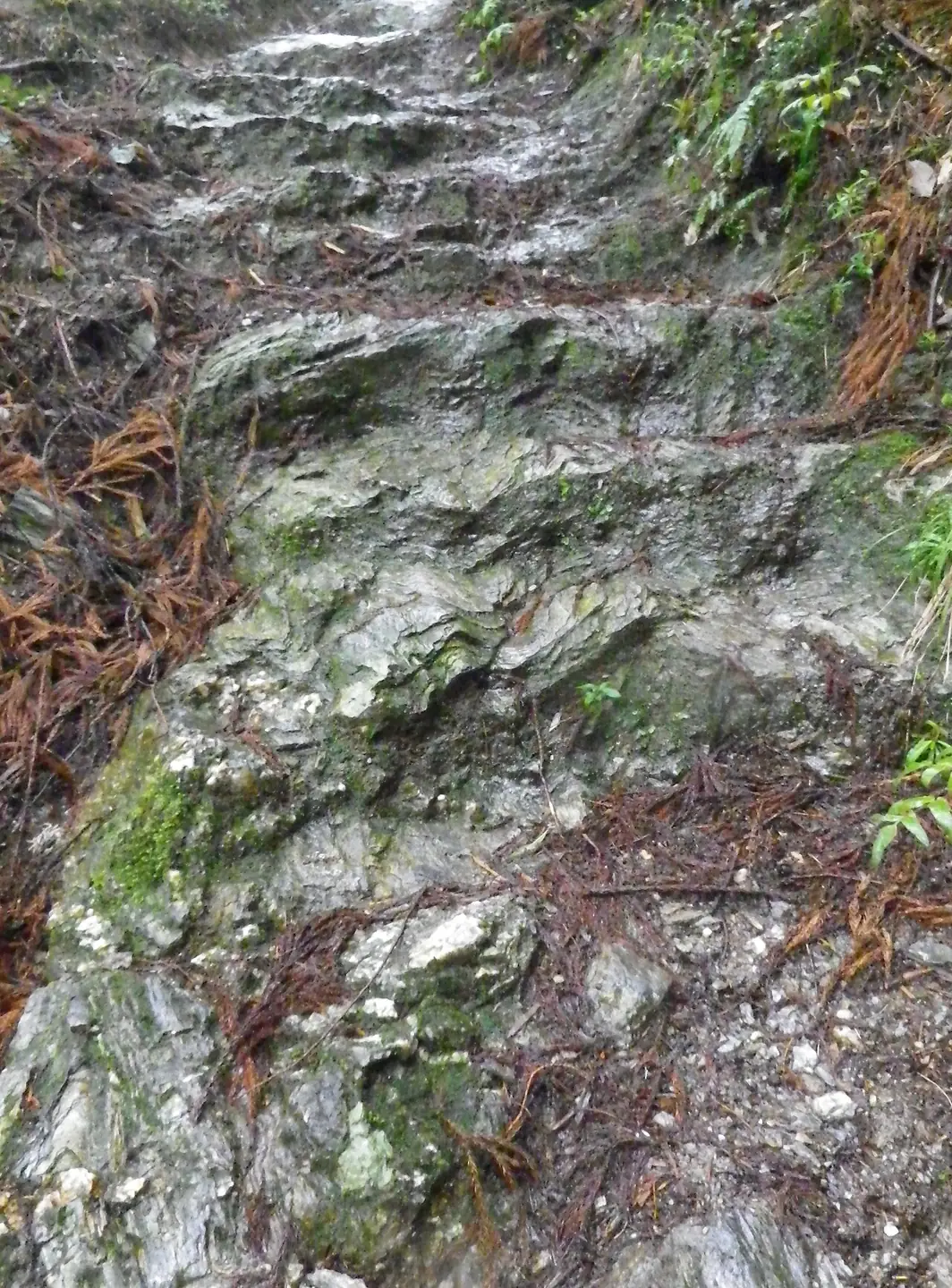
Photo: Reggaeman · Wikimedia Commons · CC BY-SA 3.0 . Original 2012 photograph of Shōsan-ji path; illustrative only.
A line on a map can make a walking route appear permanent. On Shikoku, however, pilgrimage paths remain usable because people continue to look after them. Local residents, nonprofit groups, municipal authorities and pilgrims themselves all have roles in keeping the route legible, safe and welcoming.
The henro-michi includes mountain paths, quiet rural roads and stretches shared with everyday traffic. Conditions change: signs become difficult to read, trees fall, steps deteriorate and intersections become confusing. Preserving the pilgrimage therefore involves much more than recording the location of the 88 temples.
Thousands of walkers, one shared inspection
One of the clearest examples is the Omotenashi Henro Road Walk, organized by the Henro and Hospitality Network. Its annual Shikoku-wide event divides an approximately 1,200-kilometre walking network into manageable sections. Participants inspect route directions, possible hazards, resting places and toilets while also collecting litter and offering support to other walkers.
The organizer's report for the 2026 inspection records 224 observations: 97 concerning hazards and 127 concerning guidance signs. It also documents completed improvements arising from earlier inspections, including wayfinding repairs and road-related measures. These are distinct figures: the reported observations are not the number of repairs completed.
For the 23 February 2027 walk, the network is again inviting people to participate individually or in teams, with a target of 10,000 participants. It is a self-organized inspection activity, not a commercially guided pilgrimage tour. The organizer explains how to select a section and report findings through its official participation information.
When travel helps care for the trail
On Shōdoshima, the organizers of the Shimamichi Trail use another approach. Their 28 November 2026 trail-running event follows roughly seven kilometres of pilgrimage paths and older mountain tracks that have been worked on with local residents. The organizing committee says a portion of participants' fees contributes to further maintenance.
This is a modest but telling model: visitors experience a landscape while contributing financially to the care it requires. It is an example from a particular event, not evidence that all pilgrimage tours operate this way.
Kagawa's Island Helper Travel programme offers a third form of participation. Its 8 November 2026 Awashima excursion includes assisted maintenance of the island's own pilgrimage paths, alongside guided cultural visits and time with local residents. Other excursions in the programme involve coastal cleanup or work at historic sites. The 2026 programmes have specific dates and booking conditions; they should not be presented as permanently available activities.
What visitors can do
For travelers, the first contribution is simple: respect the people and places that maintain the paths. Follow local directions, avoid obstructing temple entrances and roads, take litter away, and pay attention to temporary closures and route warnings. When a genuine access problem appears, use the reporting channels supplied by the responsible organization instead of assuming a mapping application alone can arrange a repair.
For those who want to contribute more directly, organized route inspections and community-led maintenance programmes provide practical starting points. Current opportunities should always be checked with their organizers.
The pilgrimage's continuity depends on both the inherited landscape and ongoing human care. Modern maps help people find their way, but the trail itself endures through many small acts of attention and maintenance.
Sources: Henro and Hospitality Network; Shōdoshima trail organizer announcement; Kagawa Tourism Association — Island Helper Travel; KSB report.