Shōdoshima offers guided mountain pilgrimage with a traditional goma fire ritual
A guided visit to Shōdoshima's Goishiyama combines a mountain pilgrimage walk with a traditional goma ritual.
Sacred PlacesKagawa2 min read
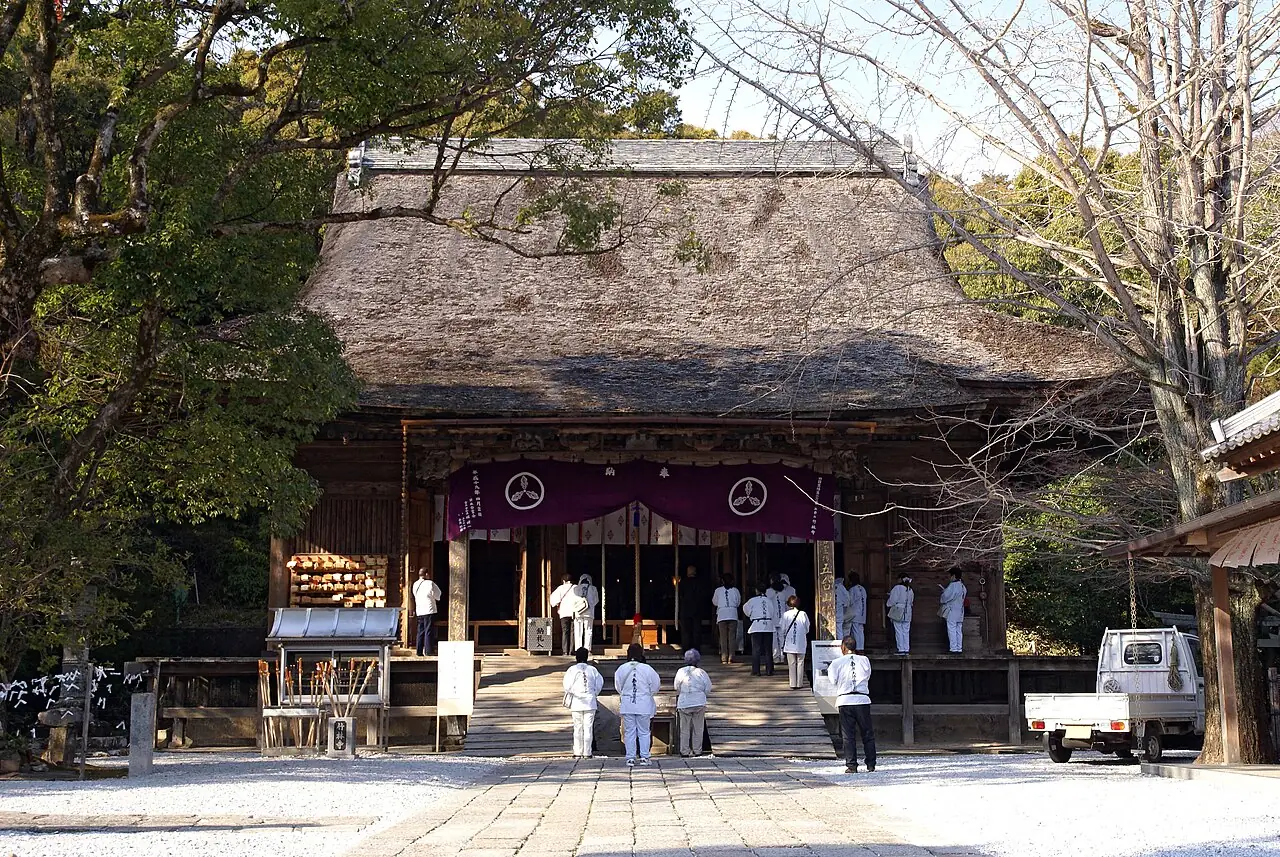
Shōdoshima, Kagawa's island with its own distinctive 88-site pilgrimage, is offering a guided visit to Goishiyama, a mountain sacred site known for a cave hall and the traditional goma fire ritual. Kagawa Prefecture's tourism association lists the experience on selected dates from October, subject to its booking calendar.
A different kind of Shikoku pilgrimage
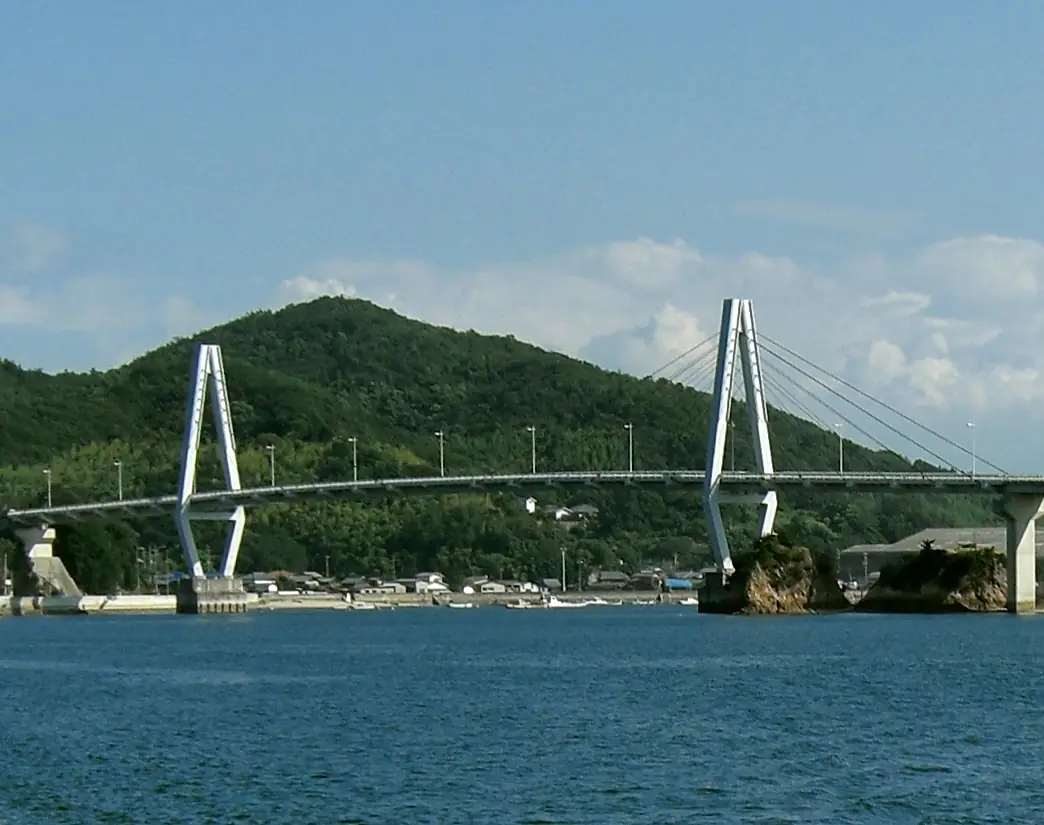
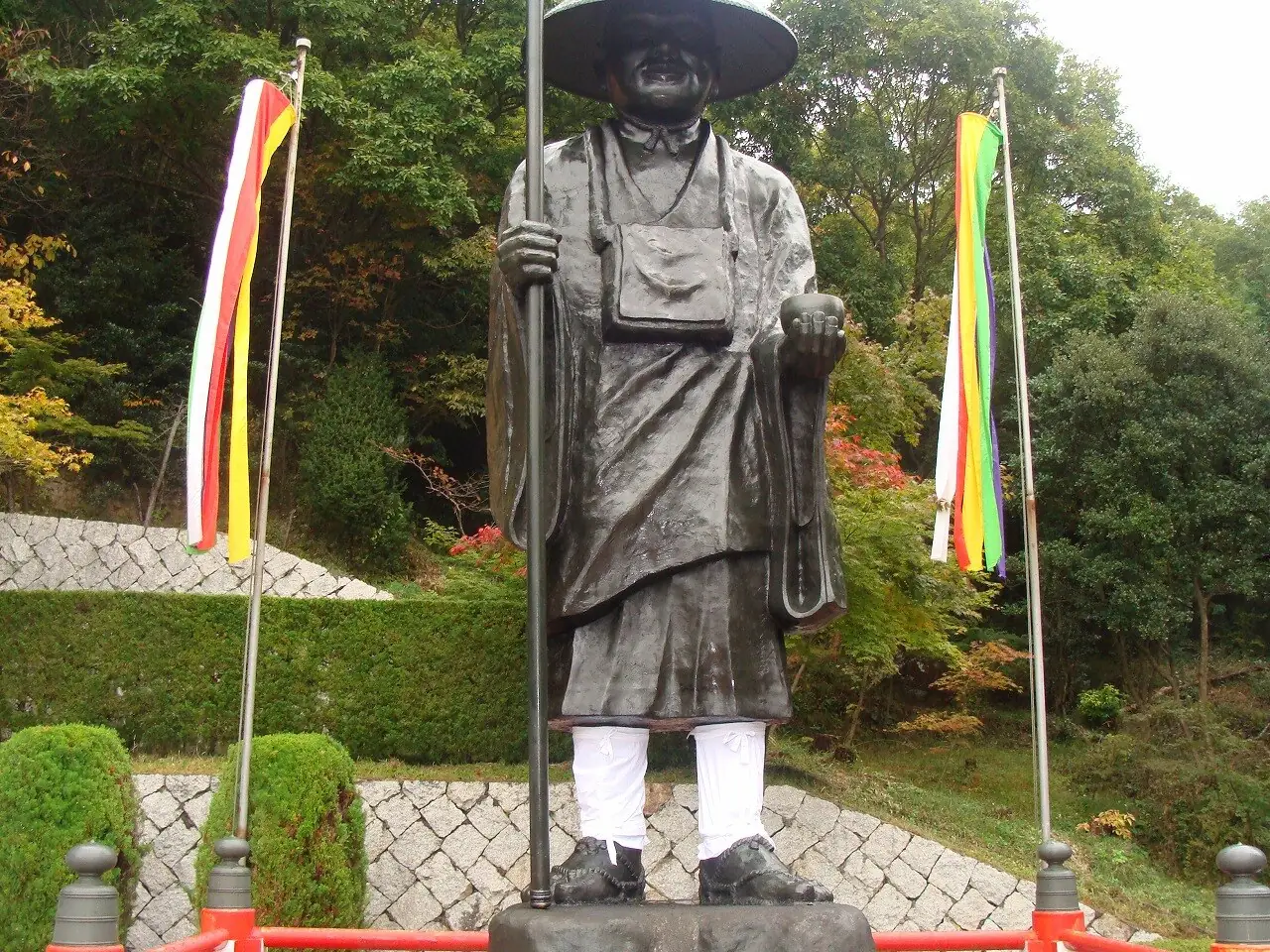
The island's pilgrimage is distinct from the better-known 88-temple circuit crossing Shikoku's four prefectures. Its roughly 150-kilometre route connects temples and mountain sanctuaries traditionally associated with Kōbō Daishi. The island's cliffs, caves and coastal views give many of these sites a particularly striking setting.
Goishiyama, the pilgrimage's second sacred site, is associated with Namikiri Fudō Myōō, revered as its principal image. The cave hall, known as Hōōkutsu, is a place where goma prayers are traditionally performed. During the rite, wooden offerings are burned as prayers are recited; the combination of flame, chanting and the cave setting is central to this experience.
What the guided visit includes
The official listing describes a roughly two-hour experience, involving about 1.5 kilometres of walking and participation in a goma prayer ceremony. The standard price is ¥6,600, including guidance, the ritual experience, travel accident insurance and taxes. An optional rental set comprising traditional white clothing, a stole and a pilgrim's staff costs ¥1,100.
Participants meet at Jōkō-ji, site number 8 of the Shōdoshima pilgrimage, for a 10:00 start. Group size is normally up to six; larger groups are subject to consultation. Reservations are handled through the Shōdoshima Tourism Association's designated booking platform, and dates must be checked on that platform. The listing does not prove that the activity runs every day.
Why this experience matters
For visitors with an interest in Buddhist ritual, this is an opportunity to encounter a living practice rather than simply observe a temple building. The program connects physical movement, landscape and ceremony and can deepen an appreciation of Shikoku-region pilgrimage traditions without requiring a full multi-day circuit.
Visitors should approach the ritual respectfully, follow the guide's instructions and wear suitable shoes for a mountain setting. Language availability, specific dates and accessible participation arrangements should be confirmed with the organizer before booking.
See the official Goishiyama guided experience and Kagawa's introduction to the Shōdoshima 88 pilgrimage.
More news
CeremoniesTokushima2 min read
Hashikura-ji prepares its autumn sutra-reading festival and blessed rice-cake offerings
Sacred PlacesEhime2 min read
Ōshima temple prepares its rare 33-year opening of the Thousand-Armed Kannon
RoutesKōchi2 min read
Shikoku pilgrimage volunteers prepare a two-day survey of Kōchi's historic paths