Walking Shikoku's Pilgrimage Paths with Less Impact
Practical ways to protect Shikoku's trails, temple grounds and host communities while enjoying the pilgrimage.
PreparationAll Shikoku3 min read
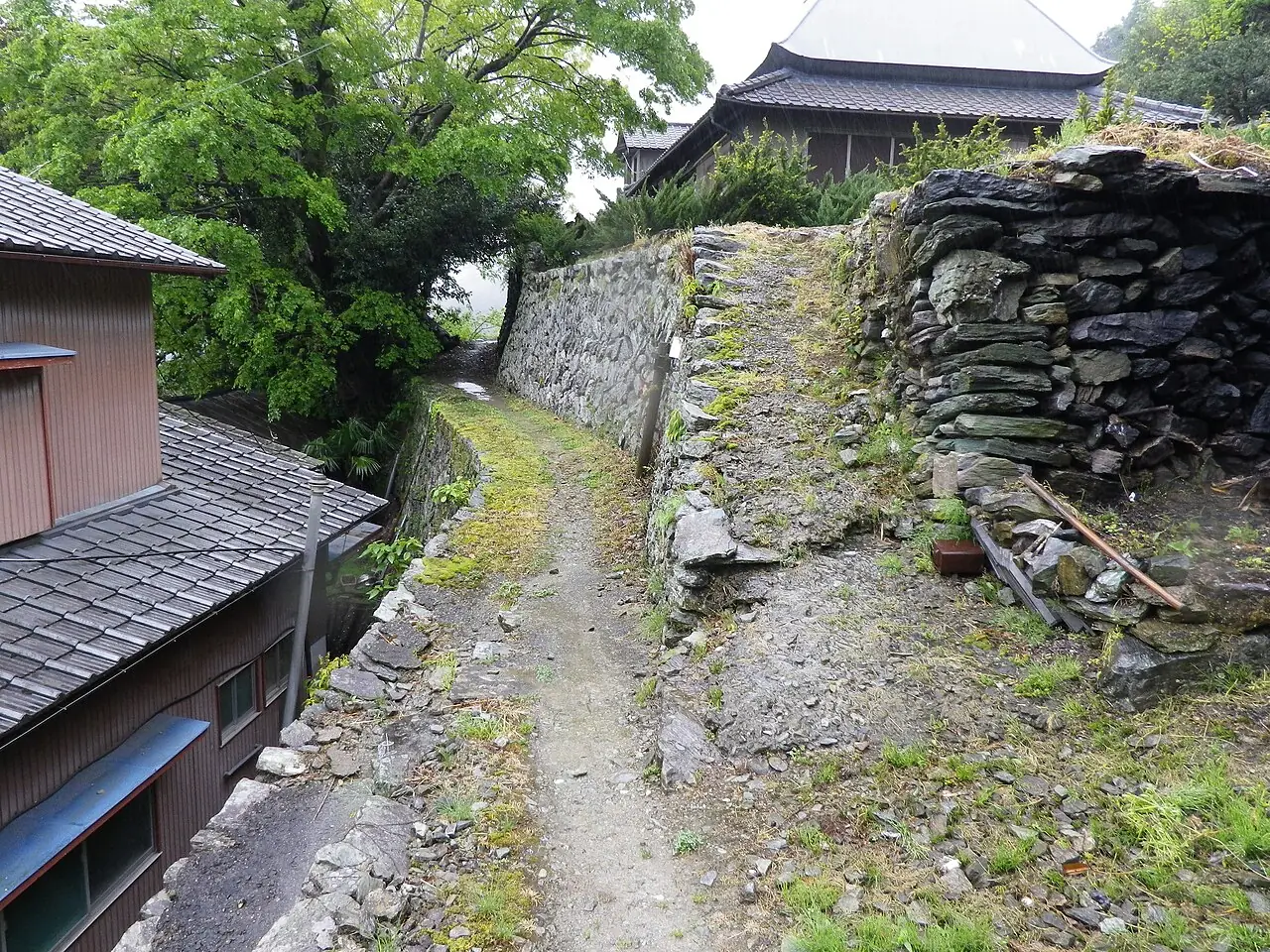
Walking Shikoku's pilgrimage routes connects visitors with forest paths, farming villages, shrines and temple grounds. These landscapes can feel timeless, but they are maintained and shared by living communities. A few thoughtful habits help protect them without reducing the enjoyment of a journey.
Prepare for the conditions
Choose a route that fits your fitness and the weather forecast. Mountain approaches, including the steep Shōsanji-michi on the way to Temple 12, Shōsan-ji, can become difficult when wet. Carry enough drinking water, appropriate footwear, a charged communication device and a way to find your route without assuming mobile reception throughout.
Good preparation also reduces the chance that others will need to rescue or redirect a traveler who underestimated the path.
Stay on the established route
Shortcuts may look inviting, particularly on slopes or muddy sections, but repeated foot traffic can turn them into erosion channels. Follow the established pilgrimage paths and posted detours. When a route is closed or damaged, seek the marked alternative rather than pushing through vegetation or private land.
On village roads, remember that the route may cross working fields, homes and everyday traffic. Respect property boundaries and leave gates as you find them.
Take your waste onwards
Carry food wrappers, tissues and other waste until you reach an appropriate disposal facility. Rural public bins are not universally available, and temple or business bins are generally for their own operations.
Plan ahead for toilet access. Public facilities and lodging are preferable to improvised use of sensitive outdoor areas, particularly near water, paths and farmland.
Let spiritual places remain places of worship
Temples and shrines are not only scenic stops. Follow signs about shoes, photography and restricted areas; keep voices considerate during prayer and ceremonies. Do not remove stones, plants, offerings or other objects from a site, and avoid touching surfaces or ritual objects unless invited.
A photo opportunity is rarely worth disturbing another visitor's quiet moment.
Consider wildlife and other walkers
Keep a respectful distance from animals, avoid feeding them and take food waste away. Share narrow paths courteously and make room for those moving at another pace. Small groups tend to pass through fragile areas more gently when they stay together and follow a clear route.
When camping, confirm that the place permits overnight stays. A forest clearing, pilgrimage rest hut or temple garden should never be assumed to be an authorized campsite.
Learning and teaching the practice
The international Leave No Trace framework offers well-established principles for responsible outdoor recreation. Ehime has drawn on that approach in training for regional guides and tourism staff. Pilgrims can apply the same everyday judgment without needing a formal course.
The most useful question is simple: will this place be as welcoming and intact for the next traveler, and for the people who live here, as it was for me?
Further reading: Leave No Trace principles and Ehime Prefecture's guide-training initiative.