FC Imabari students complete three-year Shikoku Henro relay
Three student cohorts completed their Shikoku pilgrimage relay and celebrated together on 18 September.
Shikoku HenroAll Shikoku2 min read
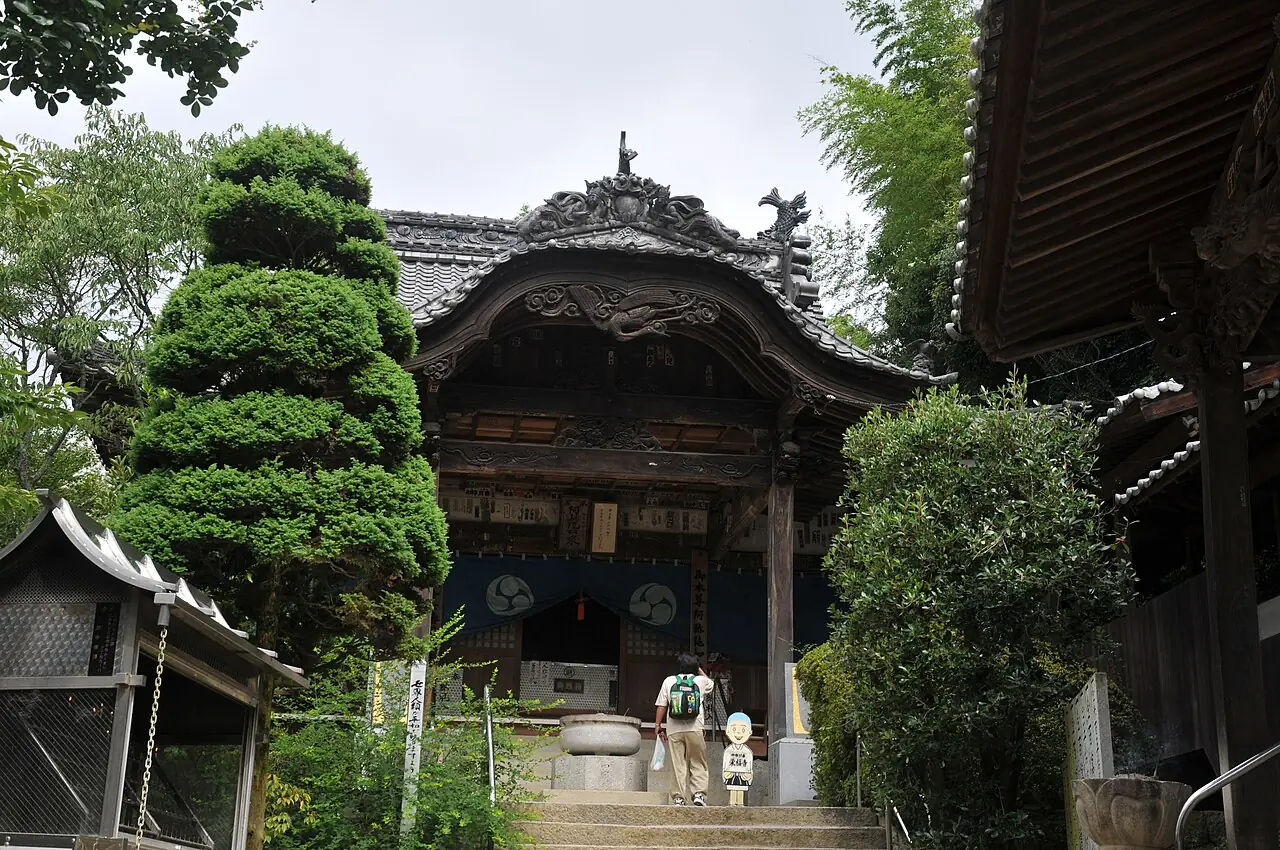
Students at FC Imabari High School Satoyama Campus in Ehime completed their three-year Shikoku Henro relay on 18 September 2026. First announced as a concluding stage on 3 September, the achievement was subsequently confirmed by the school: three successive first-year cohorts passed the pilgrimage route from one class to the next. The announcement described the circuit as about 1,200 kilometres; the school's later completion report described the overall effort as roughly 1,400 kilometres.
Walking as part of the curriculum
The school's Shikoku Pilgrimage Challenge Walk is a required experiential-learning program. Rather than organizing a conventional sightseeing trip, pupils plan their own stages, budgets, meals, campsites and team responsibilities. Staff provide safety oversight and facilitation, while students make decisions about unfamiliar terrain, changing weather and group needs.
The 2024 cohort covered Temple 57, Eifuku-ji, through Temple 88, Ōkubo-ji. The next year's students continued from the end of the numbered circuit via Tokushima and Kōchi to Temple 36, Shōryū-ji. The 2026 cohort walked the remaining section from Shōryū-ji back toward Eifuku-ji in six groups.
This is a collective relay, not a claim that each pupil individually walked all 1,200 kilometres.
The planned concluding stages
The school scheduled the final six groups for 6–10 and 14–18 September 2026. The final group covered a planned 103-kilometre stage over five days, visiting temples near Matsuyama and Imabari before arriving at Eifuku-ji and returning to campus on 18 September.
The school subsequently confirmed the relay's successful completion and described its ketsugan ceremony. Older students welcomed the finishing group at the school gates, and the pupils shared handmade rice balls to mark the three-year achievement. The school also linked television and newspaper reports documenting the occasion.
Why this matters
For visitors who associate the Shikoku Henro primarily with religious travel or personal retirement journeys, the school offers a different perspective. Its educational purpose centres on autonomy, cooperation, resilience and relationships with local communities—including the custom of osettai, offering kindness and practical support to pilgrims.
The project also demonstrates the value of safeguarding walking routes as living spaces for education and community exchange, not only as historical assets.
Sources: FC Imabari's original program and ceremony announcement and the school's subsequent completion report.
More news
CeremoniesTokushima2 min read
Hashikura-ji prepares its autumn sutra-reading festival and blessed rice-cake offerings
Sacred PlacesEhime2 min read
Ōshima temple prepares its rare 33-year opening of the Thousand-Armed Kannon
Sacred PlacesKagawa2 min read
Shōdoshima offers guided mountain pilgrimage with a traditional goma fire ritual