Shikoku's World Heritage council advances work to document the Henro
Shikoku's 2026 World Heritage council assembly advances research, site protection and pilgrimage visitor planning.
HeritageAll Shikoku2 min read
The Shikoku Henro is a living pilgrimage that connects temples, paths and communities across four prefectures. Its bid for UNESCO World Heritage recognition depends not only on demonstrating the significance of the 88-temple journey but also on identifying, protecting and documenting the places that carry that history. A report published on 17 August 2026 sets out the work discussed at the Shikoku Henro World Heritage Registration Promotion Council's annual assembly in Kōchi.
Four strands of work across Shikoku
The council meets on 22 July 2026 at Cerise in Kōchi City. Its four working groups report on public awareness, improving the visitor environment, demonstrating the pilgrimage's outstanding universal value and protecting heritage assets. These are connected tasks. Historic paths need evidence of their development and use; temple sites need a clear account of what makes them significant; visitors and residents need infrastructure that helps the pilgrimage remain a living practice.
The assembly approves the 2025 business report and financial accounts as well as the 2026 activity plan and budget. The discussion brings together the four prefectures and supporting organisations, reflecting the breadth of the pilgrimage beyond any one temple or town.
What progress means for pilgrims
World Heritage preparation does not make the pilgrimage a UNESCO-listed property. The council is still building the evidence, shared understanding and protection framework needed for that possibility. Work on historic roads, cultural landscapes and the place of hospitality in the Henro matters even without an inscription date.
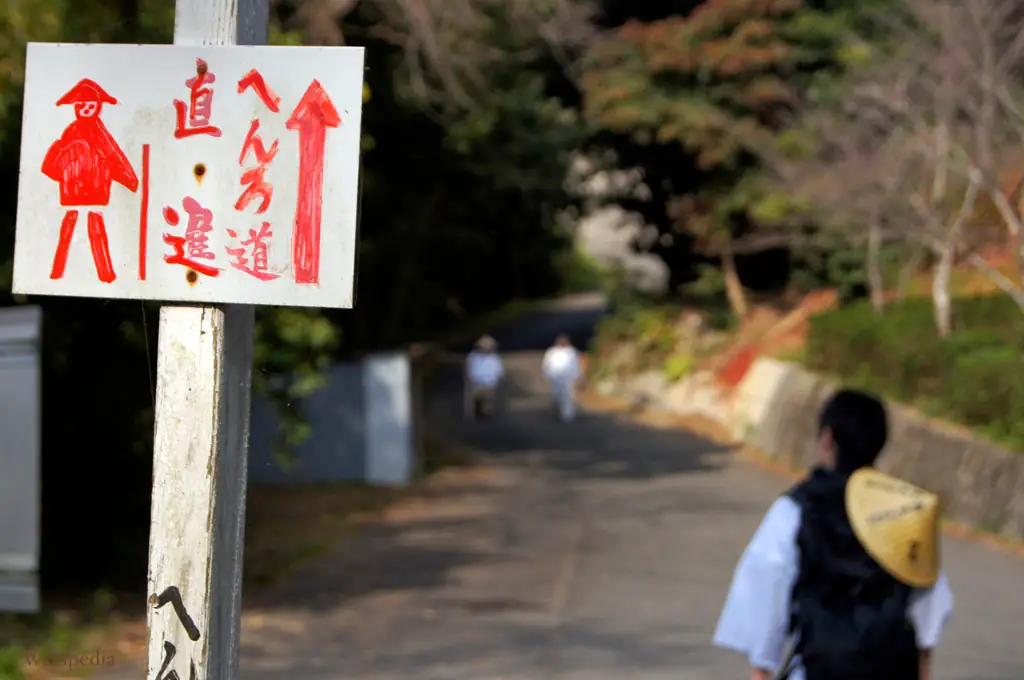
For someone walking the route, this effort explains why preserving a traditional path is different from merely drawing a modern line on a map. Stone waymarkers, shrines, shelters, historic temple approaches and the communities connecting them can all contribute to how the pilgrimage is understood. Equally, documentation must distinguish a genuine historic route from newer detours or facilities.
The council's secretariat reports remain a useful primary record of this long-term effort. The 2026 assembly is a documented step in the process, not an announcement that UNESCO recognition has been granted.
Source: World Heritage Registration Promotion Council, 2026 assembly report (17 August 2026).
More news
CeremoniesTokushima2 min read
Hashikura-ji prepares its autumn sutra-reading festival and blessed rice-cake offerings
Sacred PlacesEhime2 min read
Ōshima temple prepares its rare 33-year opening of the Thousand-Armed Kannon
Sacred PlacesKagawa2 min read
Shōdoshima offers guided mountain pilgrimage with a traditional goma fire ritual