JR Shikoku champions scenic rail journeys as part of slower regional travel
In a July 2026 interview, JR Shikoku's president argued for treating scenic train journeys, local food and community experiences as a reason to explore the island more slowly.
TravelAll Shikoku2 min read
Shikoku's railway network should be more than a way of getting from one city to the next, according to JR Shikoku president Kazuyuki Shinomiya. In an interview published on 23 July 2026, he argued for presenting the island as one coherent destination through rail journeys, food, culture and time spent in local communities.
Making the journey part of the visit
Shinomiya described a challenge: many international visitors still concentrate on Japan's familiar metropolitan destinations, while Shikoku has an extensive railway network linking smaller communities. He suggested that tourism across all four prefectures should be understood as a connected travel region, rather than four separate destination campaigns.
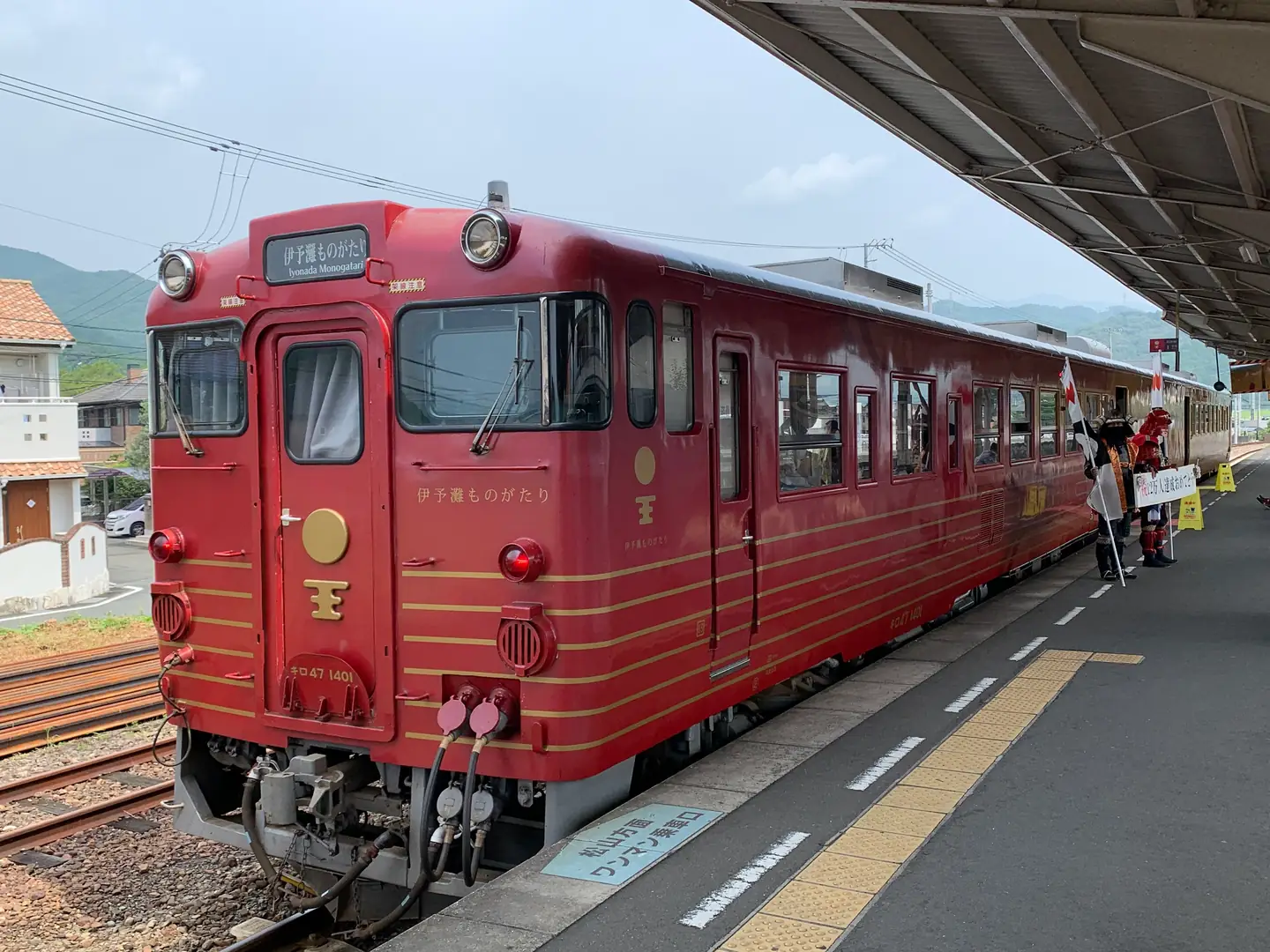
One example is JR Shikoku's established Monogatari sightseeing trains. They deliberately allow passengers more time to enjoy the scenery and, on particular services, regional food and hospitality. The interview treats the journey itself as an experience instead of merely the time between stops.
Plans and existing services are different
The remarks also discuss travel passes, accommodation partnerships and overseas promotion. They express the company's strategic direction; they do not establish a new timetable, a launched tourist train, a guaranteed pass benefit or a confirmed expansion project on 23 July 2026.
For pilgrims, ordinary JR Shikoku trains already provide useful connections between cities and several pilgrimage areas. Scenic excursion trains serve a different purpose and may have booking conditions, timetables and limited operating dates.
A complementary view of Shikoku
The interview's wider message fits the island's geography: travel between towns can be part of the encounter with local life. That perspective also matters to people who combine a walking pilgrimage with rail journeys, although the president was discussing the general inbound tourism market, not launching a pilgrimage-specific product.
Source: The Worldfolio interview with Kazuyuki Shinomiya, 23 July 2026.
More news
CeremoniesTokushima2 min read
Hashikura-ji prepares its autumn sutra-reading festival and blessed rice-cake offerings
Sacred PlacesEhime2 min read
Ōshima temple prepares its rare 33-year opening of the Thousand-Armed Kannon
Sacred PlacesKagawa2 min read
Shōdoshima offers guided mountain pilgrimage with a traditional goma fire ritual