Kagawa museum asks residents to help document its papier-mâché tiger tradition
Kagawa's folk museum asks residents to share photographs and stories of traditional papier-mâché tigers.
HeritageKagawa2 min read
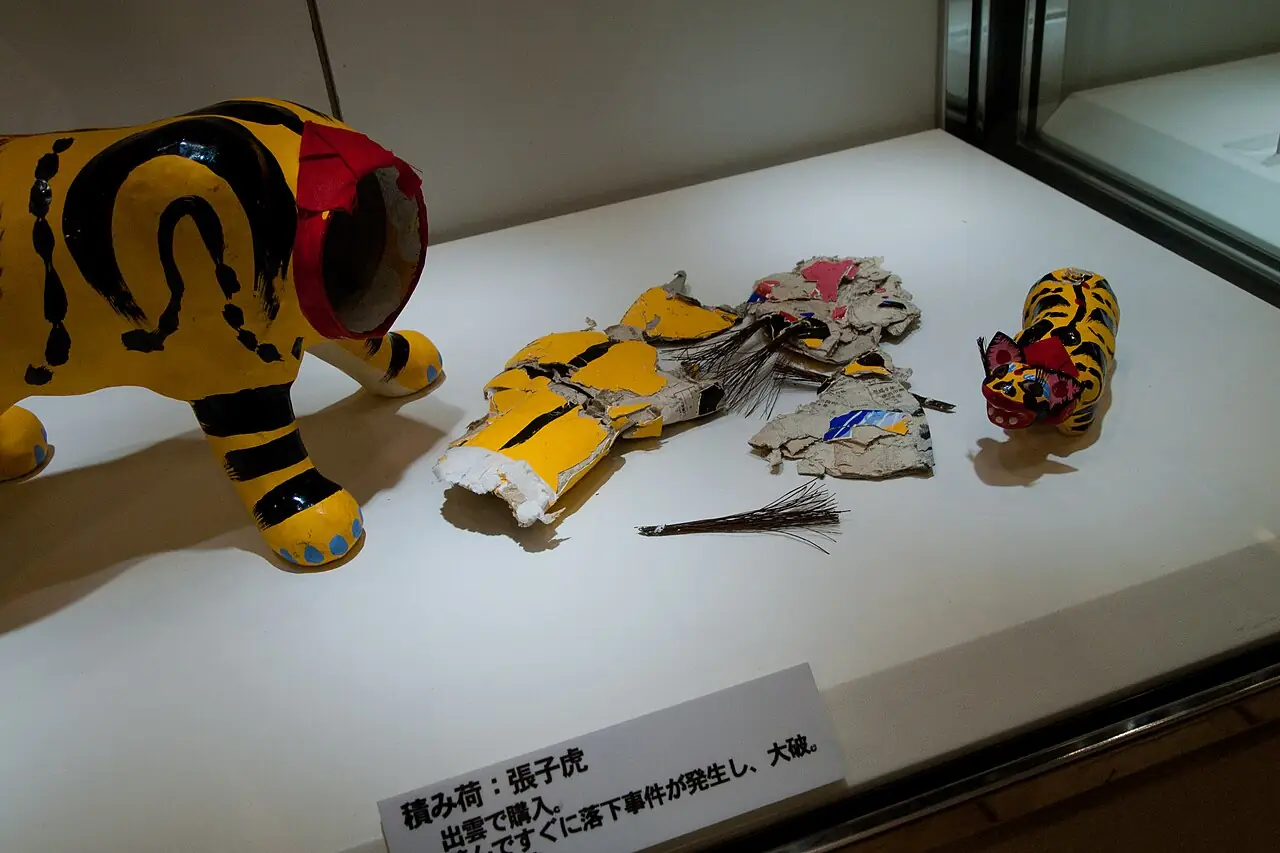
A traditional tiger in a family home may hold a piece of Kagawa's cultural history. The Seto Inland Sea Folk History Museum in Takamatsu is asking residents to share photographs and recollections of hariko tora, colourful papier-mâché tigers associated particularly with western Kagawa.
The public-participation project, titled “Harikodora o Sagase!” (“Find the papier-mâché tigers!”), opened for submissions on 23 October 2026. KSB Setonaikai Broadcasting reported the initiative on 30 October.
A craft with many local variations
Hariko tora have traditionally been displayed with wishes for children's healthy growth. The appearance of each tiger—from its face and painted pattern to its posture—can differ depending on the maker, period and community. The museum says many details of the tradition remain insufficiently documented.
Rather than relying only on examples already held in museum collections, the project asks residents to photograph tigers preserved in their homes and to share where the object came from, what a family calls it, and how it was displayed or used. This can help researchers connect surviving objects with the memories and household practices that give them meaning.
What happens to the submissions?
The museum plans to use the collected material in “Tradition and Creation III: Hariko Tora,” an exhibition scheduled to begin on 16 January 2027. The material may also appear in a research report, presentation slides and continuing documentation. Its stated submission window runs from 23 October through 10 December 2026, with contributions accepted through the prefecture's online submission system, by post, or in person.
This is an invitation particularly relevant to people who hold examples of the craft, rather than a general tourist participation event. Anyone considering a submission should check the museum's application and image-use conditions.
Why the project matters
As older household objects and the memories attached to them are lost, formal heritage collections may preserve an incomplete account of everyday cultural life. A community-led survey can capture variations and stories that are hard to reconstruct later.
For visitors exploring Shikoku beyond its major pilgrimage temples, the project is a reminder that the region's heritage is also found in its local crafts, homes and customs—not only in its famous monuments.
See KSB's 30 October report for the museum's announcement, participation window and planned exhibition.
More news
CeremoniesTokushima2 min read
Hashikura-ji prepares its autumn sutra-reading festival and blessed rice-cake offerings
Sacred PlacesEhime2 min read
Ōshima temple prepares its rare 33-year opening of the Thousand-Armed Kannon

Sacred PlacesKagawa2 min read
Shōdoshima offers guided mountain pilgrimage with a traditional goma fire ritual