Matsuyama Station introduces a multilingual AI tourism guide
A talking AI version of Matsuyama Castle's mascot now answers visitor questions at JR Matsuyama Station.
TravelEhime2 min read
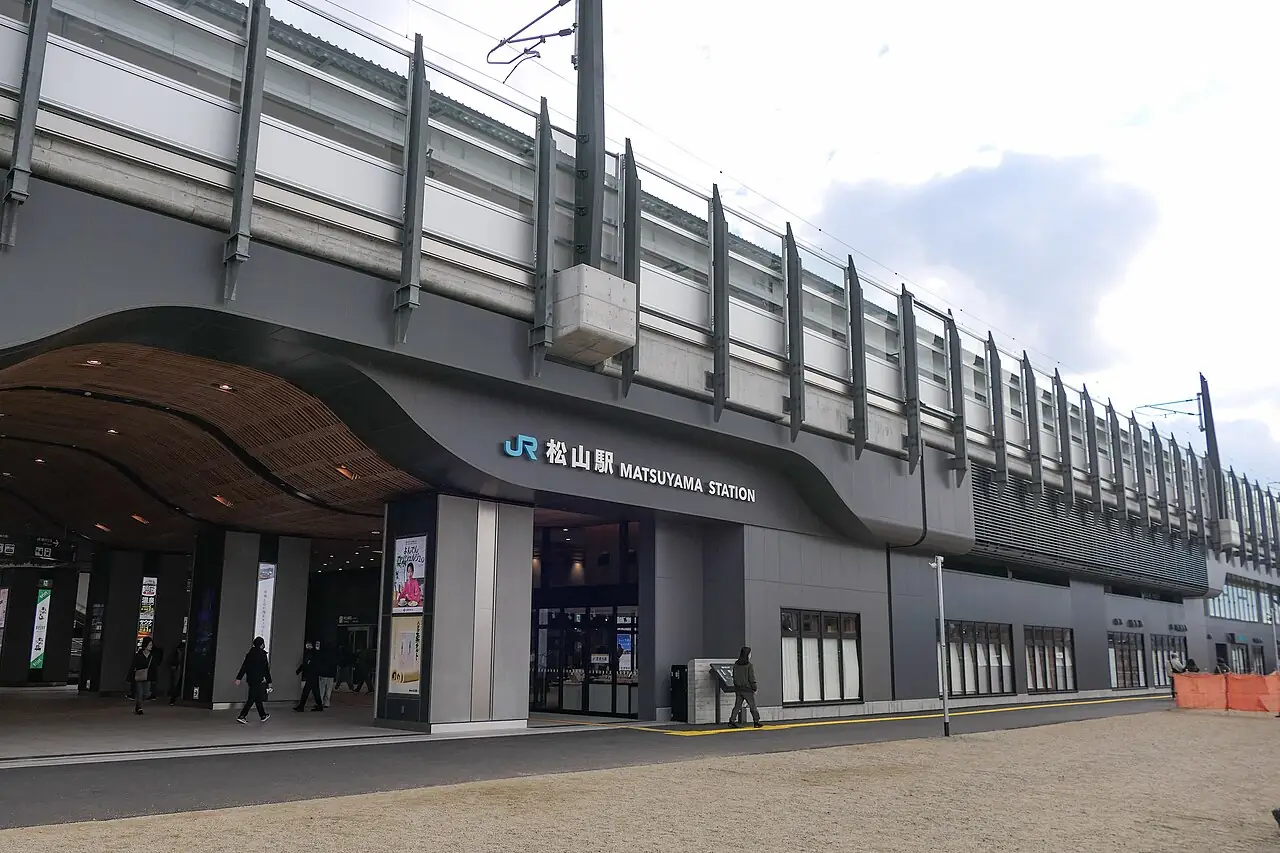
Visitors arriving at JR Matsuyama Station can now ask tourism questions directly to an animated version of Yoshiaki-kun, the mascot associated with Matsuyama Castle. The multilingual voice-based service began a demonstration on 30 September 2026, under a partnership between JTB and Matsuyama City.
How the station guide works
The guide uses Kotozna ConcierGAI, a generative-AI information service developed by Kotozna. A digital sign positioned beside the Midori-no-Madoguchi ticket counter lets visitors speak questions and hear spoken answers.
JTB says it supports Japanese, English, traditional Chinese, simplified Chinese and Korean, covering tourism sites, transport information and restaurants. The city chose a familiar local mascot rather than an anonymous digital assistant to make the exchange more approachable.
The project follows a broader tourism cooperation agreement signed by JTB and Matsuyama in March 2025.
What the partners hope to learn
Alongside making information more accessible to international visitors, JTB and the city are assessing how generative AI affects the work of tourism information providers. They plan to examine visitor questions and usage data to improve future guidance and tourism policy.
That is still an evaluation, rather than evidence that the system consistently answers every visitor question correctly. The partners have not announced a Shikoku-wide rollout in the source release.
Why pilgrims may find this useful
Matsuyama is a useful rail and accommodation hub for travel through Ehime, including journeys that combine Shikoku's temple circuit with sightseeing and public transport. Someone arriving without detailed plans can seek an initial orientation in their own language, although onward travel and pilgrimage-specific routes should still be checked against current operator information.
The service is a small but concrete example of Japanese regional destinations testing digital visitor assistance at real transport hubs.
For details, consult the original JTB release, including the announced installation point and five supported languages.
More news
CeremoniesTokushima2 min read
Hashikura-ji prepares its autumn sutra-reading festival and blessed rice-cake offerings
Sacred PlacesEhime2 min read
Ōshima temple prepares its rare 33-year opening of the Thousand-Armed Kannon

Sacred PlacesKagawa2 min read
Shōdoshima offers guided mountain pilgrimage with a traditional goma fire ritual