Japan selects Shikoku's proposed Shinkansen for a first national case study
A 2026 national case study examines the proposed Shikoku Shinkansen, but no route or construction is approved.
TravelAll Shikoku2 min read
Japan's national government has chosen the proposed Shikoku Shinkansen for a new case study of long-standing high-speed railway plans. In a statement published on 7 August 2026, Kagawa Prefecture confirms that the Ministry of Land, Infrastructure, Transport and Tourism has opened procurement for its first 2026 case study of a basic-plan railway route, with Shikoku among the subjects selected.
This is a concrete step in studying the idea, but it does not authorise construction, announce an opening date or settle the route and stations.
From an old basic plan to a new investigation
High-speed rail proposals for Shikoku have existed for decades. The proposed lines belong to Japan's national basic-plan framework, a status that reflects long-range planning rather than a funded construction programme. The 2026 process moves the discussion into an organised investigation, considering how a regional consensus and stronger technical evidence could support future decisions.
The prefecture's announcement describes the case study as a means of increasing the maturity of discussions among regional stakeholders. A separate governor's statement expresses support for advancing Shikoku's high-speed rail ambitions, while leaving the ultimate national decision open.
Why a rail study matters to Shikoku
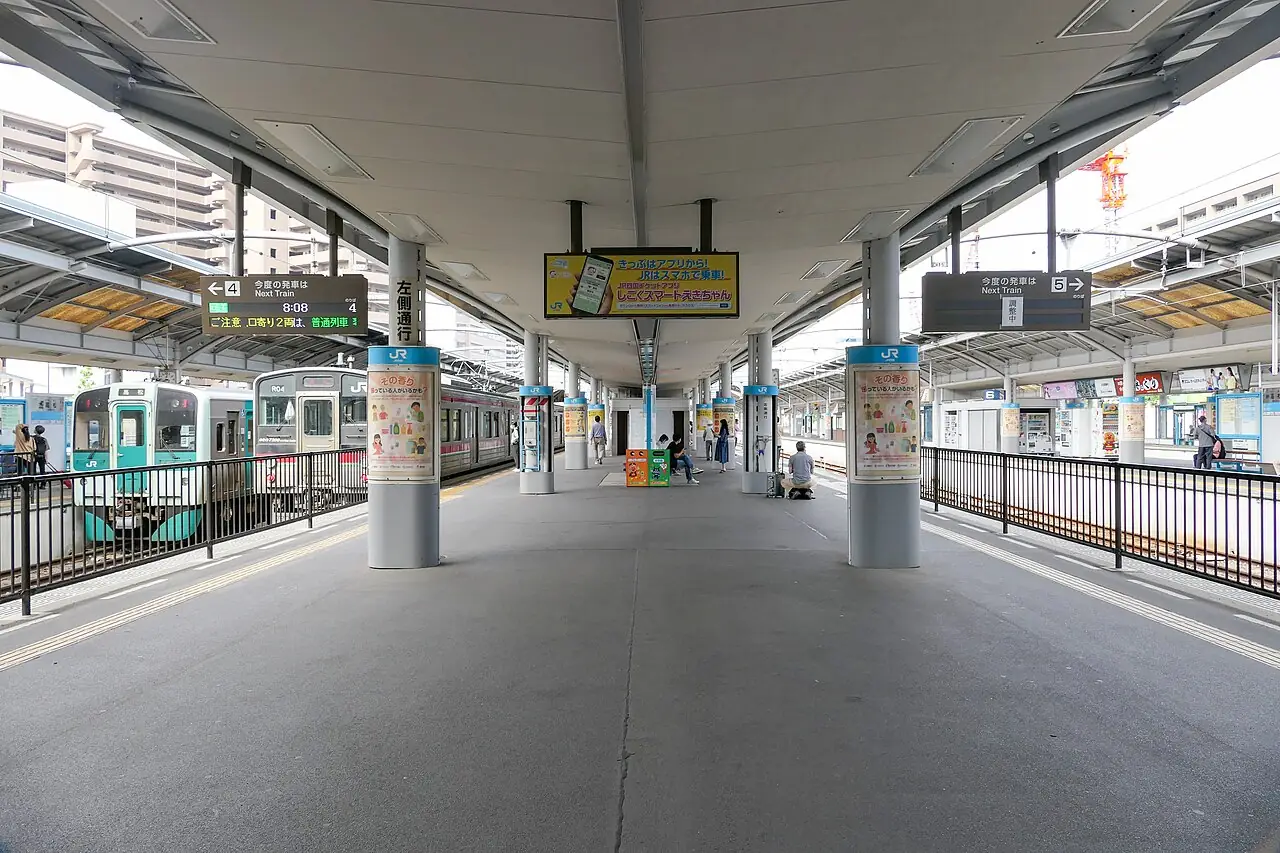
Transport connections strongly shape a multi-prefecture trip. The Shikoku Henro spans coastal towns, inland mountain approaches and places where the existing railway is not close to the temple route. Any future large-scale railway investment would therefore need to be considered alongside regional lines, local buses, ferries and the last part of the journey to a destination.
Better long-distance access might eventually change how visitors enter and move around the island, but the August 2026 announcement does not provide a timetable or reliable journey-time estimates for a future Shinkansen. Travellers should continue to plan with today's JR Shikoku services and other transport options.
A study, not a start of building work
The distinction is important. A national case study can help governments and communities examine an option; it is not evidence that a line has been approved, that construction crews have started or that specific stations will be served. No confirmed completion date follows from the 2026 announcement.
Sources: Kagawa Prefecture, national case-study announcement (7 August 2026); Kagawa Governor's 2026 response.
More news
CeremoniesTokushima2 min read
Hashikura-ji prepares its autumn sutra-reading festival and blessed rice-cake offerings
Sacred PlacesEhime2 min read
Ōshima temple prepares its rare 33-year opening of the Thousand-Armed Kannon

Sacred PlacesKagawa2 min read
Shōdoshima offers guided mountain pilgrimage with a traditional goma fire ritual