Tobe pottery makers use festival donations to protect their clay supply
Tobe's autumn pottery festival is channeling local tax donations toward the raw material its potters depend on.
HeritageEhime2 min read
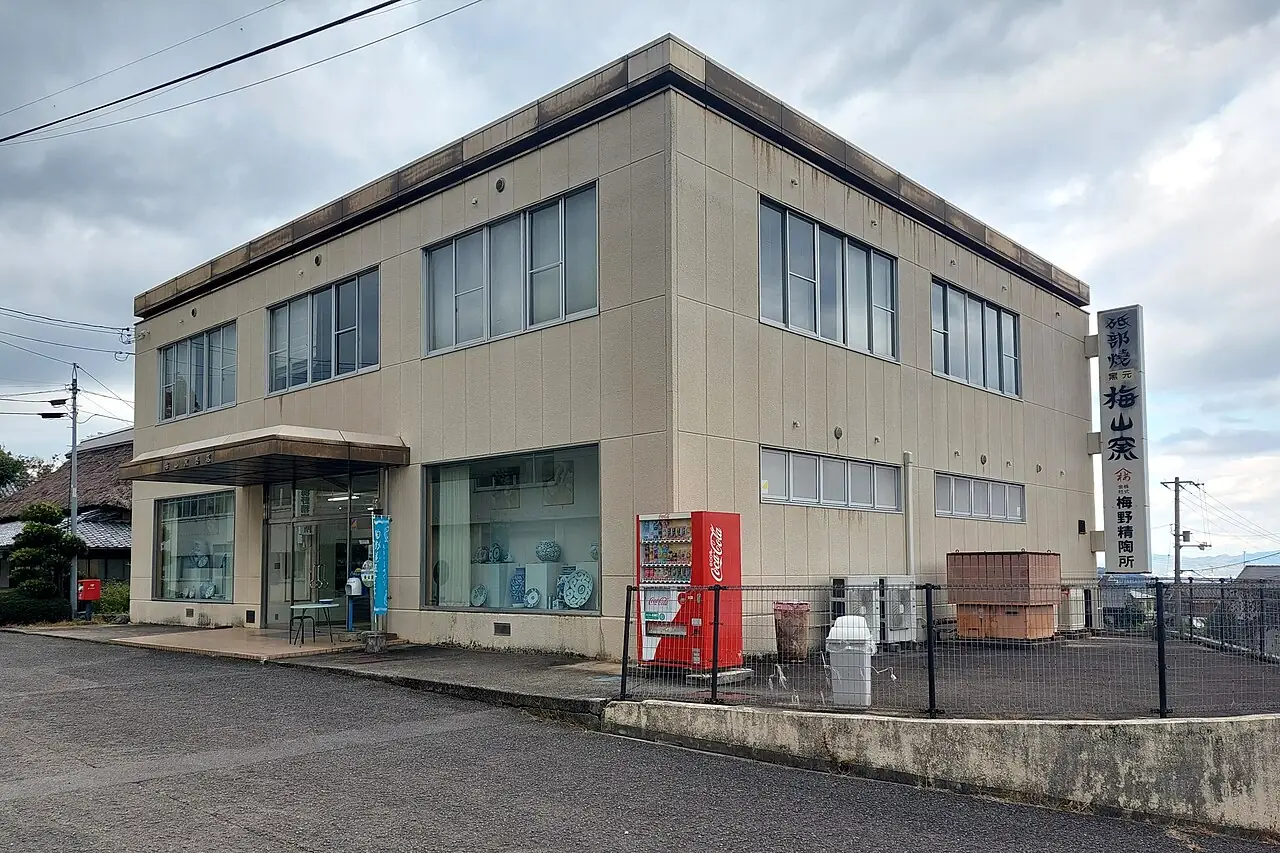
Tobe Town in Ehime is experimenting with a way for visitors to support the long-term survival of Tobe ware, the region's celebrated white-and-blue pottery. Its 7–8 November 2026 autumn ceramics festival includes a local furusato nōzei donation scheme intended to help secure the raw ceramic stone on which the craft depends.
The initiative was announced on 15 October by Steamship, the company helping Tobe manage its hometown-tax program.
A craft with a vulnerable supply chain
Tobe ware has been produced for about 250 years. Known for durable white ceramics, hand-painted cobalt-blue designs and everyday usefulness, it remains a significant regional craft. The problem is not simply attracting customers: the town's only remaining ceramic-stone mining supplier has stopped accepting new orders, threatening a dependable supply of material for local kilns.
The donation program directs contributions to a project intended to stabilize that supply. It is a practical conservation challenge, linking a tangible geological resource to the continuation of skills and businesses.
How the festival scheme works
At the autumn festival, held at Tōkaidō Yutori Park, visitors can make qualifying donations through Steamship's Genchi on-site payment service using a smartphone. The announced arrangement offers a ¥1,500 pottery-purchase coupon in return for a ¥5,000 contribution, usable with approximately 50 participating kilns.
Eligibility follows Japan's hometown-tax rules. The organizer notes that Tobe residents may donate but cannot receive these return coupons under the scheme. A previous spring festival trial reported 129 donations totaling ¥1.21 million over two days.
The festival dates are 7–8 November 2026; the source does not establish that the same coupon scheme is ongoing outside those dates.
What it means for visitors
Buying craftwork is one way to support workshops, but this program explicitly connects an economic event with a structural problem affecting many makers. For heritage-minded travellers, it illustrates why protecting a local tradition may require attention to materials, training and viable small businesses, not just attractive souvenirs.
Sources: Steamship's detailed announcement and Tobe Town's festival information.
More news
CeremoniesTokushima2 min read
Hashikura-ji prepares its autumn sutra-reading festival and blessed rice-cake offerings
Sacred PlacesEhime2 min read
Ōshima temple prepares its rare 33-year opening of the Thousand-Armed Kannon

Sacred PlacesKagawa2 min read
Shōdoshima offers guided mountain pilgrimage with a traditional goma fire ritual