Tokushima tests AI-assisted travel planning across 15 municipalities
East Tokushima is testing AI-planned sightseeing routes across 15 municipalities, including public transport.
TravelTokushima2 min read
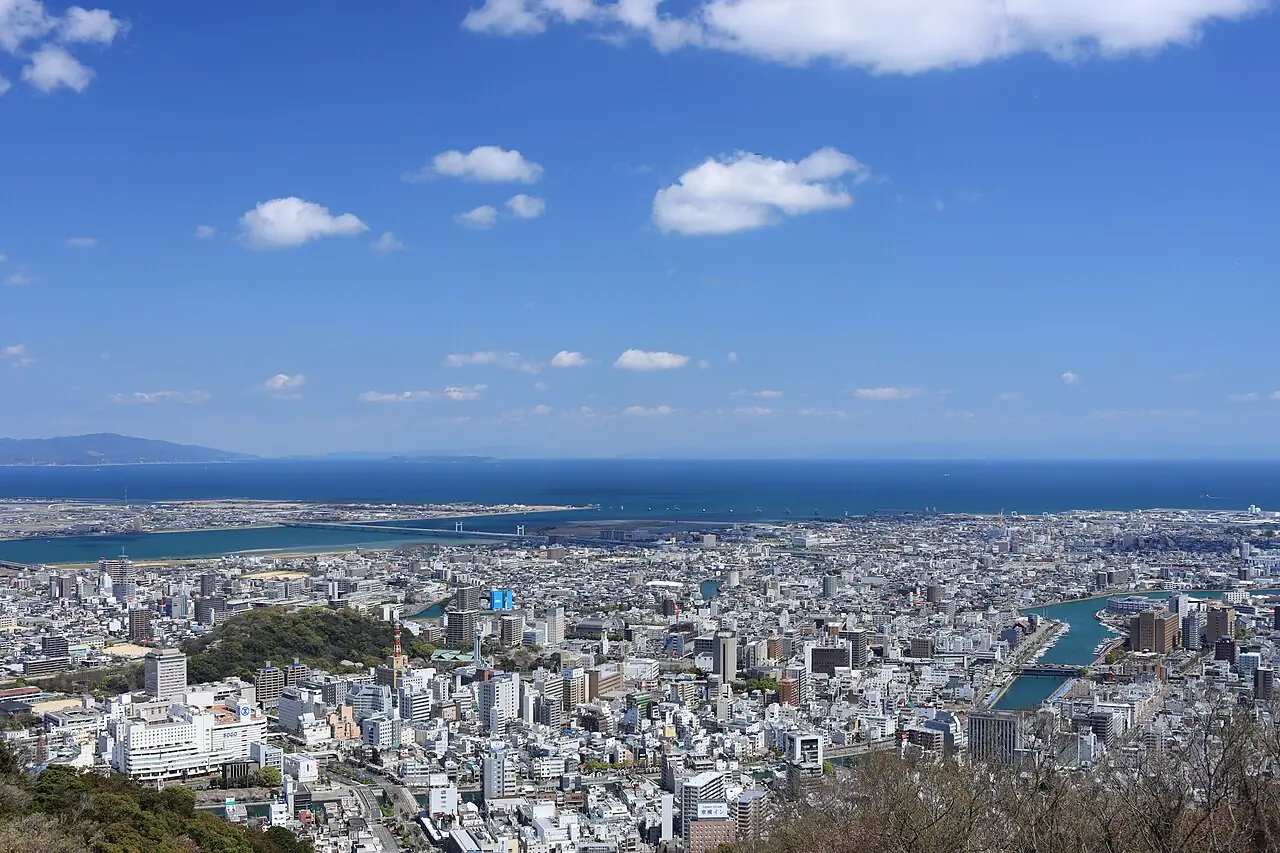
Eastern Tokushima is testing a new way to help visitors decide not only where to go, but how to travel between places. A public–private project announced by travel-technology company Plaru on 23 October 2026 brings its AI-based itinerary planner into a tourism demonstration covering 15 municipalities in eastern Tokushima Prefecture. Tokushima City, Naruto and Matsushige are particular focus areas.
A journey rather than a list of attractions
The project is being developed by Plaru, the East Tokushima Tourism Promotion Organization and Tokushima Prefecture under a prefectural public–private partnership program. Its stated aim is to combine regional sightseeing information with practical movement between destinations, including rail and bus timetables.
Visitors using Plaru can provide preferences, starting and finishing points and available time to receive suggestions for several places and the sequence in which to visit them. The partners intend to test whether better itinerary planning encourages travellers to make an additional stop, stay longer or spend money with more local businesses. The announcement describes an ongoing demonstration, not a proven solution already operating across every part of Shikoku.
The stamp rally
A Tokushima East Stamp Rally began on 30 October 2026 and is scheduled to continue until 28 February 2027. Participants collect location-based stamps with the app. Visiting at least three participating places qualifies for a prize draw; collecting six doubles the stated chance of winning. The rally is free to join, according to the organizer's announcement.
The wider pilot is planned from August 2026 through March 2027, covering development, deployment and analysis. Plaru says it intends to study app use, travel patterns and survey responses to assess whether the recommendations actually lead to wider circulation around the region.
What it means for pilgrimage visitors
The eastern Tokushima area includes the entry point to the Shikoku Pilgrimage and many places that visitors might otherwise pass by. For travellers combining temple visits with public transport and regional sightseeing, tools that account for limited bus services could be valuable. However, this is a general regional tourism initiative, not a newly announced dedicated Henro navigation or walking-route service.
Pilgrims should continue checking current transport schedules and actual walking routes separately. The more important longer-term question is whether the pilot can connect less-visited cultural places with the transport options that make them realistically accessible.
The original Plaru announcement explains the partners, target municipalities and evaluation goals. The stamp-rally information provides organizer updates and participation details.
More news
CeremoniesTokushima2 min read
Hashikura-ji prepares its autumn sutra-reading festival and blessed rice-cake offerings
Sacred PlacesEhime2 min read
Ōshima temple prepares its rare 33-year opening of the Thousand-Armed Kannon
Sacred PlacesKagawa2 min read
Shōdoshima offers guided mountain pilgrimage with a traditional goma fire ritual