Four regional tourism organisations seek longer Australian journeys through western Japan
Tourism SHIKOKU's September 2026 call seeks proposals to attract Australian visitors to longer regional itineraries.
TravelAll Shikoku2 min read
Tourism SHIKOKU is participating in a regional effort to encourage Australian visitors to spend more time in western Japan, with a focus on travel beyond the best-known city stops. On 3 September 2026, the organisation publishes a formal request for project proposals under a programme linking four destination management organisations (DMOs) and targeting Australia's higher-value travel market.
The announcement describes two linked goals: drawing visitors into regional destinations and encouraging longer stays across a broader geographic area. It is a procurement notice for the 2026 programme, not evidence that a finished travel package has already launched.
Connecting destinations rather than individual attractions
A longer regional itinerary depends on more than a list of beautiful locations. Travellers need to understand how places relate to one another, how much time to spend and which local experiences justify making a journey beyond the major entry gateways.
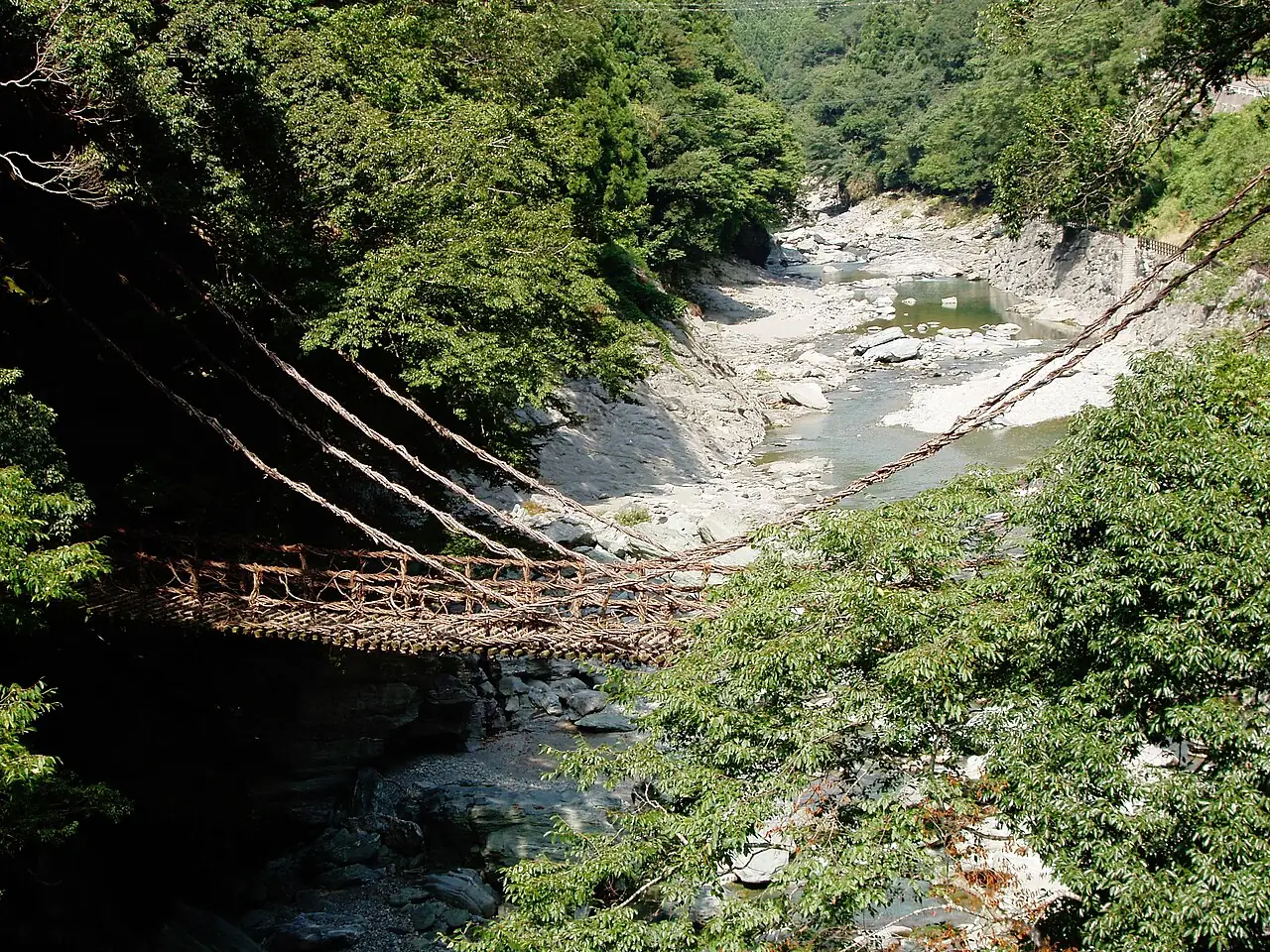
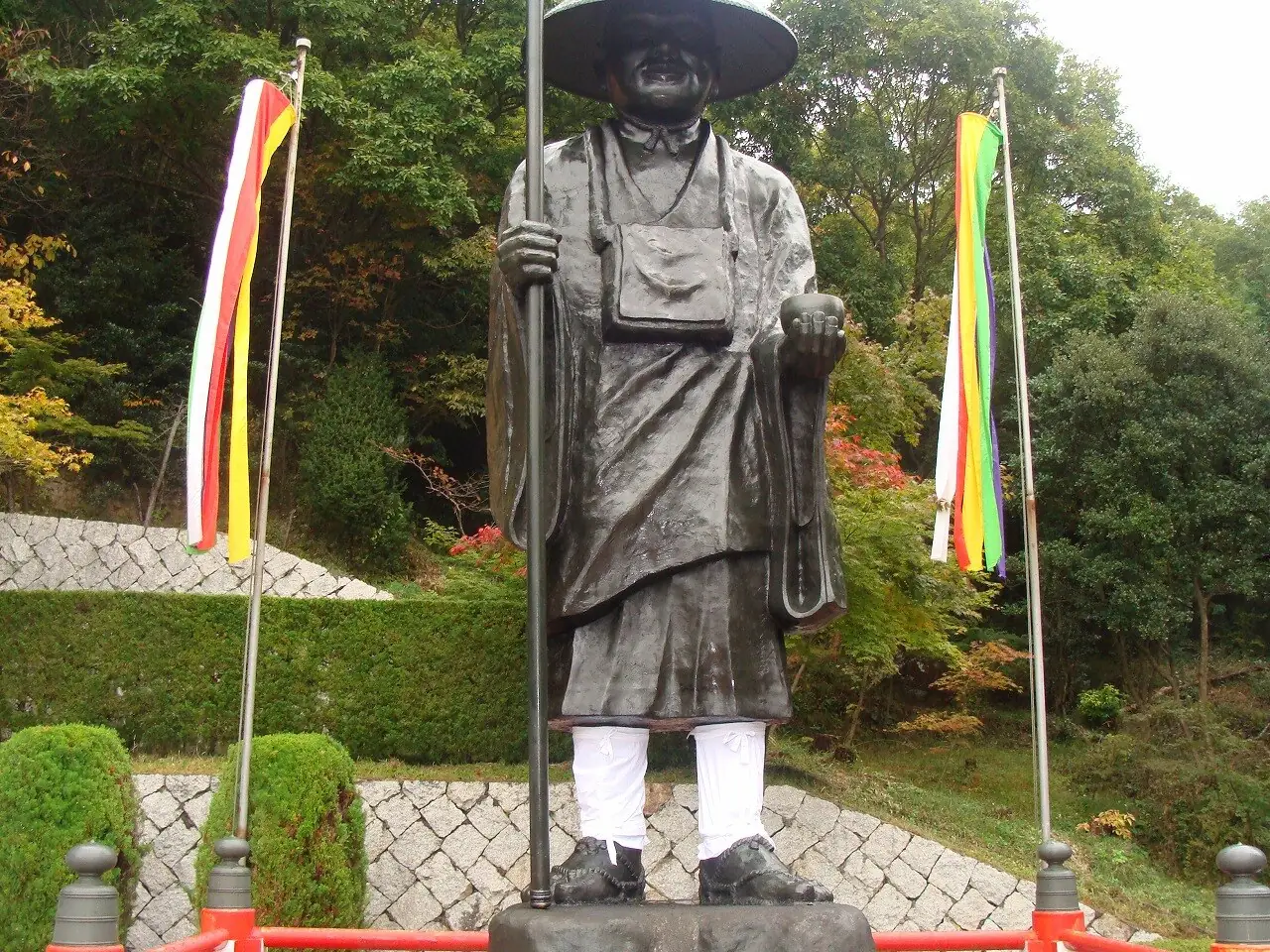
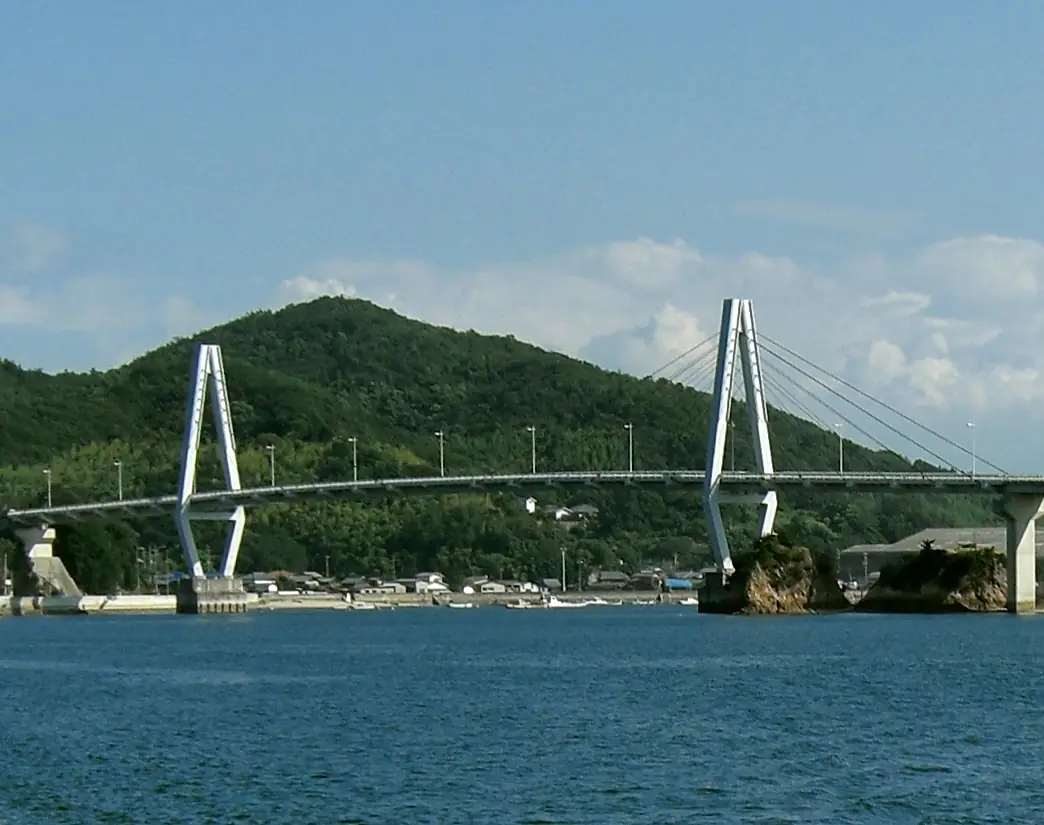
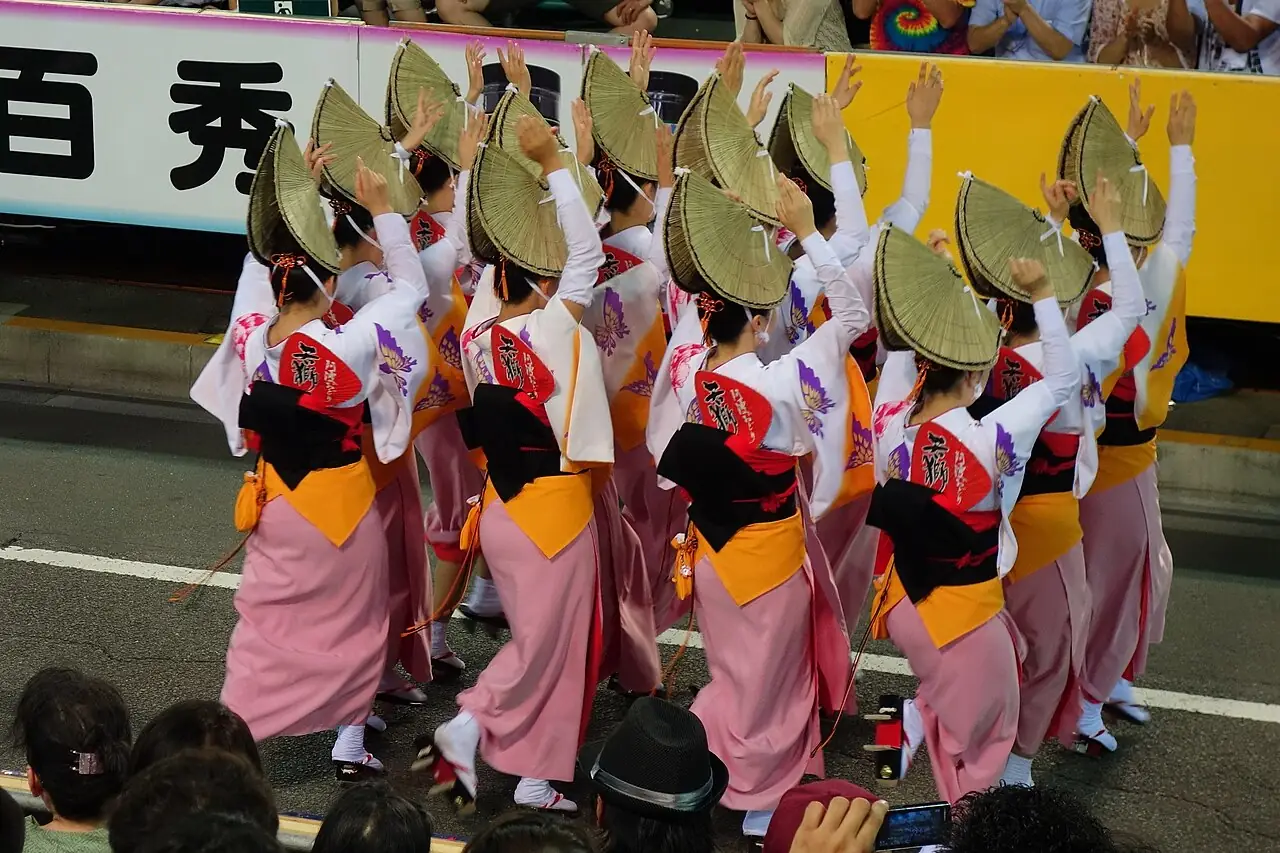
Shikoku has the right ingredients for that approach: historic pilgrimage routes, mountain villages, everyday rural hospitality, coastal landscapes, cuisine and traditions that vary across its four prefectures. The 88-temple pilgrimage provides a particularly clear example of a journey whose meaning comes from the connections between places.
What the 2026 call establishes
The official Japanese notice refers explicitly to cooperation among four western Japan DMOs to promote travel by affluent or higher-spending Australian visitors to regional destinations and to increase the duration of multi-area touring. It directs potential contractors to the tender documents for the scope and conditions.
This should be distinguished from a separate ANA-hosted Australian tour-operator familiarisation visit covered elsewhere in the editorial archive. A procurement for market development and visitor-stay length is a different initiative, even though both address Australia's growing importance to regional Japanese tourism.
The public announcement does not by itself identify a winning contractor, provide a booking service or confirm which Shikoku stops will be included in finished itineraries. Those claims require later announcements.
An opportunity to tell fuller local stories
For travellers, the eventual value of such work would lie in discovering the people and places between headline attractions. A carefully described pilgrimage stage, a family-run inn or a regional cultural workshop can offer a reason to stay longer, provided transport and access are presented accurately.
The 2026 announcement is therefore meaningful as a statement of institutional intent: the partners are looking to develop regional circulation and longer visits, rather than promotion focused on a single landmark.
Sources: Tourism SHIKOKU's procurement notice, 3 September 2026; Tourism SHIKOKU's English destination portal.
More news
CeremoniesTokushima2 min read
Hashikura-ji prepares its autumn sutra-reading festival and blessed rice-cake offerings
Sacred PlacesEhime2 min read
Ōshima temple prepares its rare 33-year opening of the Thousand-Armed Kannon

Sacred PlacesKagawa2 min read
Shōdoshima offers guided mountain pilgrimage with a traditional goma fire ritual