An international travel feature explores the Shikoku Henro one meal at a time
An AFAR travel feature connects Shikoku's 88-temple pilgrimage with udon, seafood and local hospitality.
TravelAll Shikoku2 min read
International travel writing frequently presents the Shikoku Henro through spiritual commitment, walking distance and mountain scenery. In AFAR's 17 August 2026 feature, writer Lauren Breedlove instead uses meals and the comforts of the evening stop to tell the story of an eight-day journey. The article introduces the pilgrimage to readers who might first be drawn by regional food rather than by a plan to complete all 88 temples.
Food as a guide to place
Breedlove describes a self-guided itinerary arranged by Walk Japan. The account covers roughly 8–10 miles of walking per day on a shorter route through Tokushima and Kagawa, with accommodation and baggage transfers organised in advance. This is a particular form of supported pilgrimage travel, distinct from walking the entire circuit independently.
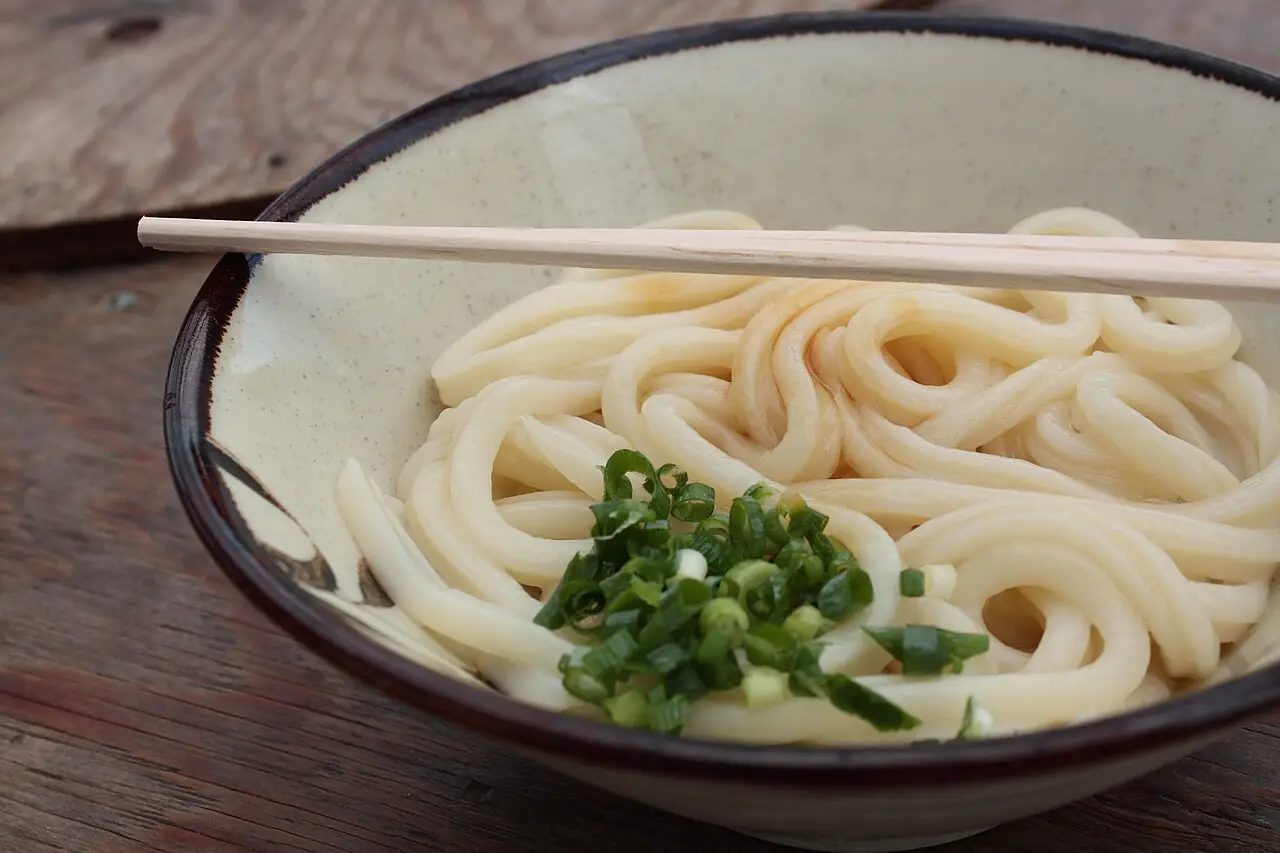
Her culinary stops are tangible: sea bream sashimi at Ōtorii-en near Ryōzen-ji, Temple 1; a bowl of rich Tokushima ramen at Inotani; and udon in Kagawa. The article also describes temple lodging at Anraku-ji, Temple 6, where visitors may take part in an evening prayer. These examples give international readers practical entry points into two prefectures without suggesting that every walker follows the same itinerary.
Hospitality beyond the table
The story also contrasts daytime exertion with multi-course dinners in traditional inns, including the seasonal vegetables, seafood and carefully prepared dishes that form part of a ryokan stay. It connects food to geography, from Tokushima's sudachi citrus and Naruto sea bream to Kagawa's wheat noodles. Kōchi's seared bonito and Ehime's citrus appear as examples for a full-island itinerary, but the author did not travel through those two prefectures on this eight-day trip.
An inviting perspective, with a defined scope
A curated, short self-guided journey can be a valuable introduction to the Henro. It is not a substitute for the detailed planning needed by a walker tackling remote sections over six weeks or longer. Lodging meals, luggage transfers and taxi support were components of the writer's organised tour, not standard free services along the pilgrimage.
The separate cultural tradition of osettai, voluntary hospitality offered to pilgrims, is also important to understand, but is not the subject of this AFAR report. Our related food guide explains regional specialities and the distinction between a paid meal and a freely offered gift. The AFAR feature succeeds as an inviting account of a specific style of travel, rather than a complete guide to all 88 temples.
Original feature: Lauren Breedlove, A Food Lover's Guide to Hiking the Shikoku Temple Pilgrimage, AFAR (17 August 2026).
More news
CeremoniesTokushima2 min read
Hashikura-ji prepares its autumn sutra-reading festival and blessed rice-cake offerings
Sacred PlacesEhime2 min read
Ōshima temple prepares its rare 33-year opening of the Thousand-Armed Kannon
Sacred PlacesKagawa2 min read
Shōdoshima offers guided mountain pilgrimage with a traditional goma fire ritual